
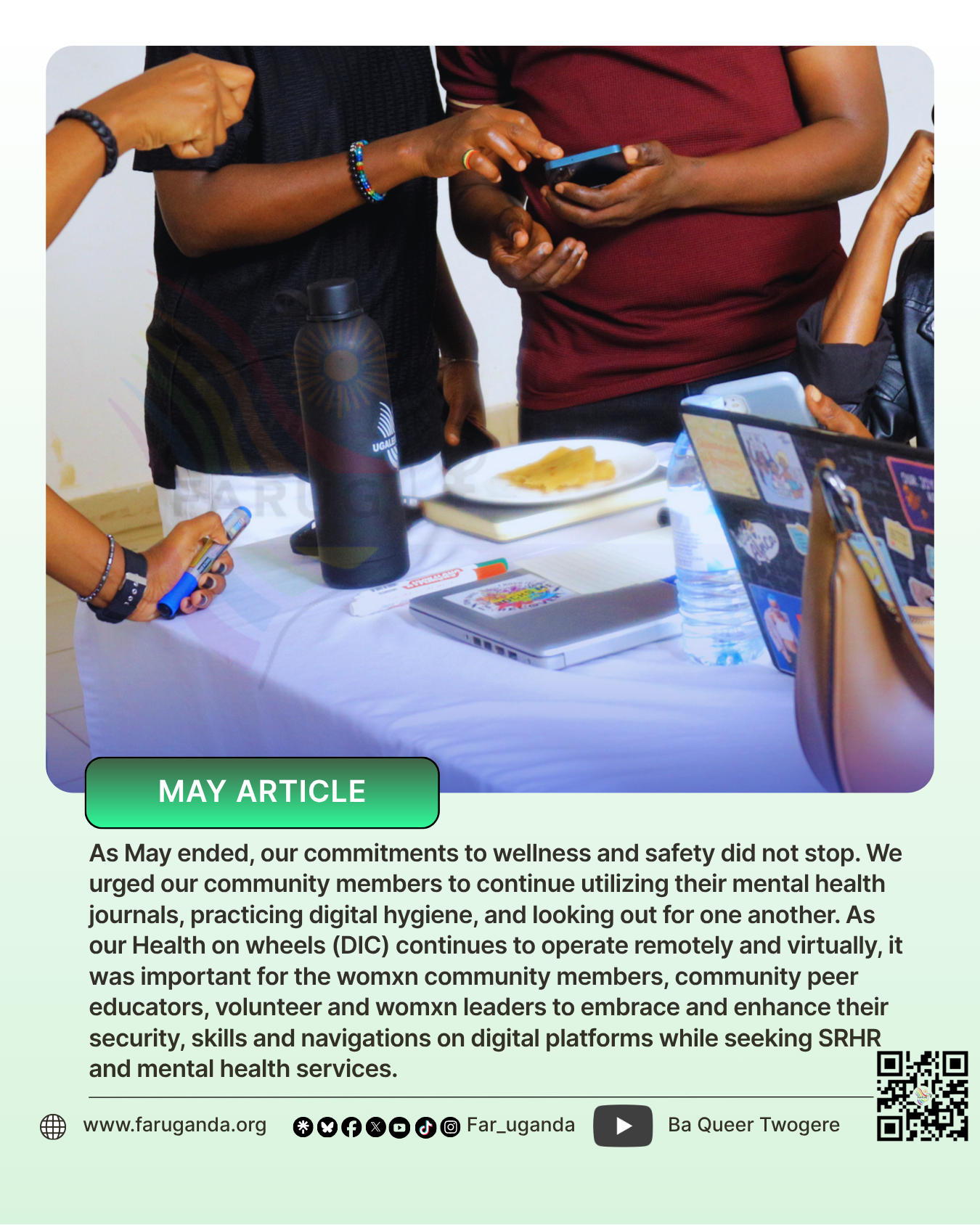
As May ended, our commitments to wellness and safety did not stop. We urged our community members to continue utilizing their mental health journals, practicing digital hygiene, and looking out for one another. Mental Health May wellness journal. As our Health on wheels (DIC) continues to operate remotely and virtually, it was important for the womxn community members, community peer educators, volunteer and womxn leaders to embrace and enhance their security, skills and navigations on digital platforms while seeking SRHR and mental health services.
Digital Security Training for Womxn
‘….Knowing that your phone is secure, your identity is protected, and your conversations are private directly reduces the chronic anxiety and paranoia that many womxn face online while seeking SRHR and mental mental health services……’
The digital world as a double-edged sword.
For marginalized communities, the internet is rarely just a place for entertainment, it is a lifeline. However, that lifeline comes with high stakes vulnerability. On the positive edge, when the physical world is hostile due to discriminatory laws, societal stigma, or family rejection the digital world offers a safe haven, that is to say connection and sense of belonging. Which allows womxn to find community, share resources, organize advocacy efforts, and realize they are not alone through using encrypted apps (like Signal or WhatsApp) that act as virtual safe houses. However, on the other hand,the same visibility that allows womxn to find each other also makes them targets for bad actors, of Cyberbullying & Doxing, Intentional harassment and the malicious release of private information (like real names, addresses, or workplaces) to invite real-world harm, State Surveillance where governments actively monitor digital spaces to track, arrest, or persecute activists and marginalized individuals. Online Extortion and Blackmail where perpetuators may bait individuals into sharing private photos or information and then threaten to “out” them to their families or employers unless money is paid.
Digital Security as Mental Health Preservation and SRHR Access
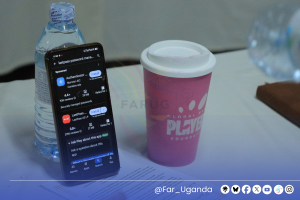
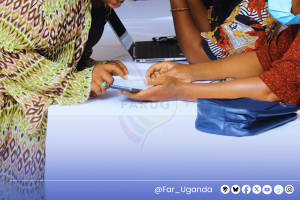
FARUG recognizes that you cannot solve a deeply human, emotional problem with software alone, nor can you solve a technical threat with positive thinking alone. As we continue to work virtually in the digital spaces, especially womxn seeking SRHR, mental health, nutritional and adherence support and psychosocial support, they continue to face intersecting threats, including targeted harassment, doxing, state or community surveillance, and digital identity exposure, furthermore avoid seeking these services due to lack of knowledge on how to interact with digital platforms. The two days training on Digital Security Training for womxn training aimed to strengthen the digital safety and privacy practices of womxn seeking mental health and SRHR services, womxn living with HIV, peer educators, community focal persons engaged in HIV adherence, mental health and SRHR programing, with the objective of building the womxn participants understanding of digital security risks affecting access to SRHR, mental health services, furthermore, strengthen knowledge on safe communication, data protection, online privacy and practical skills to safely access SRHR.
Our expert facilitator broke down complex cybersecurity concepts into actionable, daily habits focusing on account protection,transitioning to robust password managers and enforcing mandatory Two-Factor Authentication (2FA) across all personal and organizational accounts, Secure Communication, Migrating sensitive community conversations to end-to-end encrypted platforms and utilizing disappearing messages, Handling Cyber Harassment, Documenting evidence safely, managing online trolls, and establishing organizational rapid-response protocols for digital emergencies.
A community that feels secure is a community that has the stamina to resist oppression over the long term.
To learn more about our upcoming programs, access mental health resources, or report a digital security threat, please reach out to the FARUG secretariat directly via our secure channels.